
8 Valuation Risk Factors Lenders Use

While your personal situation; savings, credit, income, etc. play a part in a lender’s decision, there is another type of risk factor that banks concern themselves with; valuation risks.
Lenders rate each factor on a scale from one to five, then make their finance decision based on both your personal situation and valuation details of the investment property you’re asking them to lend on.
1. Location
Is the property in a highly desired location? Is it close or far away from amenities?
Obviously the closer a property is to key amenities such as employment, transportation and education, the better the rating the suburb will receive.
2. Environmental
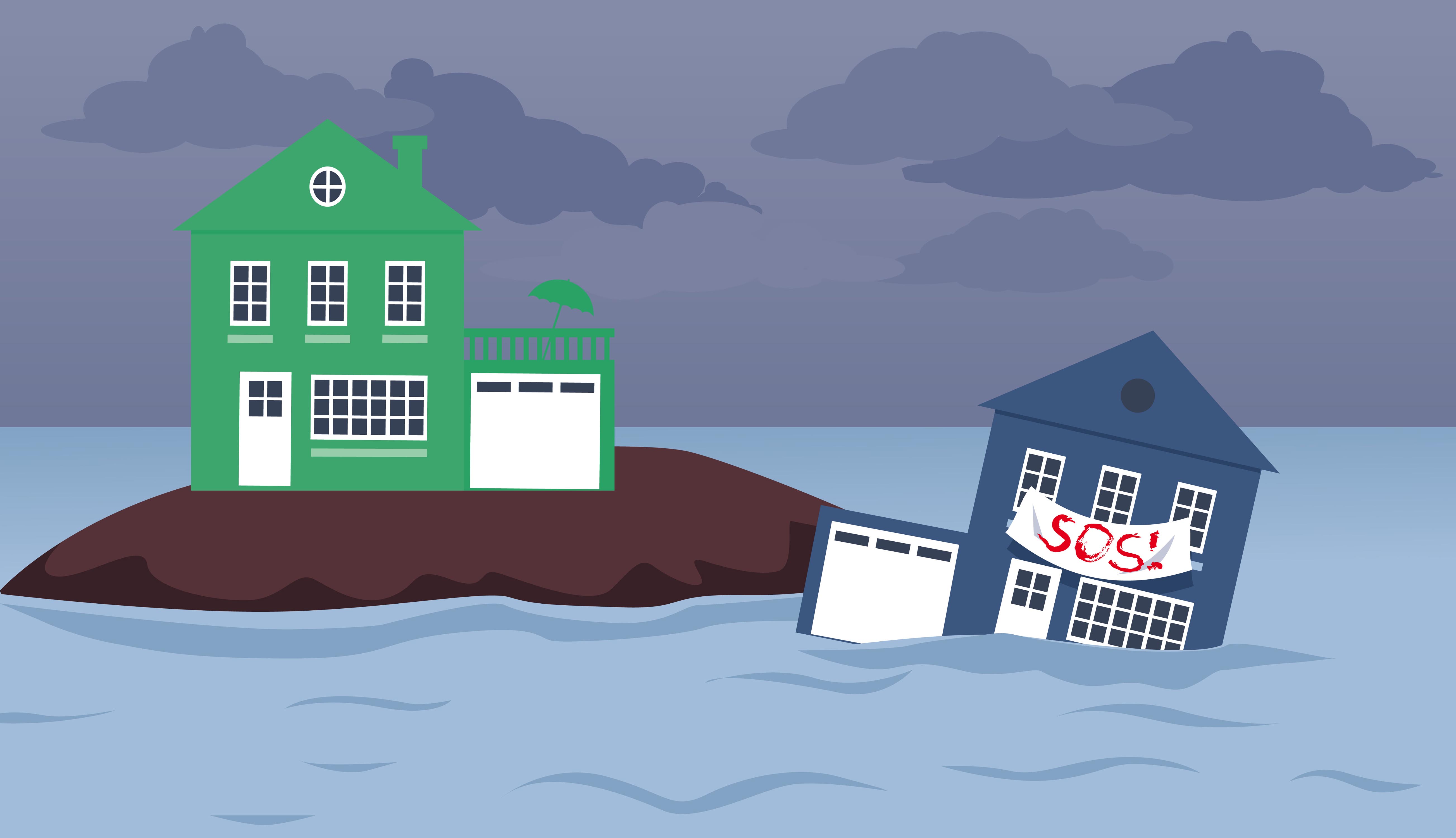
Properties in flooding and bush-fire zones will of course rate as a higher risk compared to properties in different suburbs.
In some cases, properties that are near power lines could pose some concern, however no consensus has been reached about their impact, so it may not even be a concern for your lender.
3. Improvements
Newer homes will typically rate better than older homes, however if a home shows sign of good maintenance and any improvements are finished to a good standard, it can still attain a good rating.
4. Land size
Issues such as zoning, title and access can impact the marketability of a property.
Lenders will want to ensure that each of these factors are satisfactory and that no outstanding problems can arise that will impact their investment.

5. Volatility
Lenders want to know whether or not a suburb could be subject to market volatility.
6. Market
Lenders will often ask valuers about what’s going on in the market and where it appears to be headed.
Bottom line, they want to know if they can expect a reduction in value in the next two to three years.
7. Local economic conditions
Locations where there are very few employers and/or where the employers are in a high turnover industry (e.g. mining) will rate as more of a risk than areas where there are a number of employers in a diverse range of industries.

8. Market sector
Where does your property lie in terms of saleability?
Lenders want to know that your investment property can be sold (and they can recoup their costs) in a reasonable amount of time should it become necessary.
How to avoid buying a high risk property
So if you’re trying to choose an investment property, how do you avoid buying one that lenders would consider a high risk?
Buy a property that:
- Is in a quiet location (avoid main roads)
- Appeals to the majority of the area demographic
- Is affordable for the majority of the area demographic to buy
- Has been well maintained
- Is close to amenities
While there are no guarantees, if you know what valuers look for you’ll be able to choose properties that will return lower risk ratings and that won’t get knocked back by lenders.
If you’re interested in investing in property, register to attend our next Property Investor Night.
At these FREE events held all across the country we discuss where the growth markets are right now, and share ways you can navigate your way to financial freedom through investing in property.
Seats fill up fast, so book yours now!

WCC 1014: The “Ghost Profit” Trap: Navigating Tax and Tensions in the 2026 Energy Shock
We are entering a "genuinely interesting" economic moment—the kind where an accountant’s phone call usually starts with bad news. With the conflict in the Middle East escalating and the Strait of Hormuz effectively restricted, oil prices and freight costs are surging...
WCC 967: How to Rebuild Wealth and Target $150K Passive Income
What does it really take to rebuild wealth after starting over? In this episode of Wealth Coffee Chats, we unpack a real-world Australian property investing journey focused on long-term strategy, risk management, and smart portfolio structuring. Learn how consistent...
WCC RBA Rate Hold & Inflation Outlook: What Investors Must Know
In this update, we unpack the RBA's latest decision to hold interest rates and explore what it means for investors moving forward. With inflation creeping up and unemployment rising, Alex breaks down the Reserve Bank’s statement, key economic indicators, and how they...
WCC Should You Buy Property with Friends or Family? Unit Trusts & Syndicate Investing Explained
Thinking about pooling funds to invest in property with others? In today’s episode, we unpack the increasingly popular strategy of syndicated investing—buying property as a group through structures like unit trusts. Discover how this approach gives you access to...
WCC Why Diversification is Your Best Investment Strategy in 2025
In today’s Wealth Coffee Chat, Senior Financial Adviser Alex dives into the only thing investors can truly control—asset allocation. Using Tesla’s surprising stock rally after poor earnings as a real-world example, Alex unpacks how market logic can defy investor...
WCC Real Estate Resolutions: Pay off Your Home in Under 10 Years and Save $400K in Interest
In this video Jason Whitton explains how with some simple, and FREE, changes to your mortgage strategy, you can pay off your home loan faster and start using equity to boost your borrowing power for your next property purchase. With the right tweaks you could pay off...
WCC Who Writes the Rules of Wealth?
In this Wealth Coffee Chat, Jason talks about the three groups that create the rules of wealth in Australia: politicians, banks, and regulators. He explains how these groups can affect your wealth and why it's important to know and understand the rules they set. Jason...
WCC There Are 3 Major Changes Coming for Qld Property Investors.
There are 3 significant changes to property management that are going into effect this week in Queensland; Rent bidding is being removed, the amount of rent paid in advance is changing and the biggest change will affect rent price increases.What does all this mean for...
WCC When Will Interest Rates Drop Here’s What Will Happen When They Do.
Here Jason Whitton explains the causal effects of rising interest rates and the highlights the huge gap between where Australia’s housing industry is currently at and where it needs to be. Most importantly Jason discusses what will happen when Australia's interest...
WCC Builders are going broke at record levels: What investors can do
These days construction costs have surged and it's taking longer to build homes! It doesn't take a lot to do due diligence and know what to do. Let's Wealth Coffee chat!