
Pets: Should You Allow Them In Your Investment Property?

There’s a large population of pets in Australia….approximately 25 million of them according to the ASPCA.
Each of these pets are owned by people who need accommodation.
While some of these pet owners own their own homes, many of them are renters in search of a home that will welcome their furry family members.
Should you disregard such a large pool of potential tenants in need of shelter (60 percent of renters, per the Australian Companion Animal Council) or is there more potential gain than loss in allowing pets into your investment property?
Some forty percent of investors, according to a survey by the Real Estate Institute of Australia, don’t allow pets with twenty-eight percent unsure whether or not they would rent to pet owners.
Were you to allow pets into your investment property you’d certainly be among the minority…and you’d find a huge pool of tenants ready and willing to pay more, just to keep their pets with them.

So should you rent to pet owners?
Ultimately of course the decision is yours, but there are benefits to renting to animal lovers.
- Higher rental returns from pet owners who are willing to pay above suburb yields just so they can keep their beloved animals with them.
- A large pool of potential tenants means fewer weeks your investment property sits empty.
- As it’s more rare for renters to find pet friendly accommodations, tenants are much more reluctant to leave. The Real Estate Institute of Australia (REIA) says that animal owners will stay put longer to avoid disrupting their pets’ lives. If you’ve found good tenants who take care of the property providing housing that allows animals is of benefit to both you and your tenant.
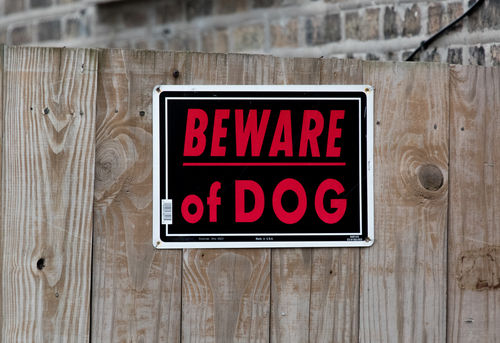
- Dogs are a great deterrent to vandals and burglars.
- While property damage can be a concern, the onus for repairs falls on your tenants, especially when you’ve included a ‘make-good’ clause into the contract.
- Clauses that can be included in the contract include restrictions or guidelines to:
- The type(s) and number of pets allowed (e.g. cats, fish, small breeds of dogs, one animal only, etc.)
- Whether or not the animals must stay outside, such as larger breeds of dogs.
Should you decide to allow pets you can protect your investment by following some common sense guidelines.:
- Provide a clause in your contract requiring all pets to be disclosed, so that you’re aware of what to expect.
- Ask to meet your prospective tenants’ animals. Your property management agreement should include this as part of the agent’s management tasks.
- Consider your property’s size and location when determining which pets are viable. For example, if your property only has a small outdoor space, it’s suited more for smaller breeds.
If you want to meet with like-minded people sharing the same interest for property investment, you should register to attend our next Property Investor Night.
At these FREE events held all across the country we discuss where the growth markets are right now, and share ways you can navigate your way to financial freedom through investing in property.
Seats fill up fast, so book yours now!

WCC 1014: The “Ghost Profit” Trap: Navigating Tax and Tensions in the 2026 Energy Shock
We are entering a "genuinely interesting" economic moment—the kind where an accountant’s phone call usually starts with bad news. With the conflict in the Middle East escalating and the Strait of Hormuz effectively restricted, oil prices and freight costs are surging...
WCC 967: How to Rebuild Wealth and Target $150K Passive Income
What does it really take to rebuild wealth after starting over? In this episode of Wealth Coffee Chats, we unpack a real-world Australian property investing journey focused on long-term strategy, risk management, and smart portfolio structuring. Learn how consistent...
WCC RBA Rate Hold & Inflation Outlook: What Investors Must Know
In this update, we unpack the RBA's latest decision to hold interest rates and explore what it means for investors moving forward. With inflation creeping up and unemployment rising, Alex breaks down the Reserve Bank’s statement, key economic indicators, and how they...
WCC Should You Buy Property with Friends or Family? Unit Trusts & Syndicate Investing Explained
Thinking about pooling funds to invest in property with others? In today’s episode, we unpack the increasingly popular strategy of syndicated investing—buying property as a group through structures like unit trusts. Discover how this approach gives you access to...
WCC Why Diversification is Your Best Investment Strategy in 2025
In today’s Wealth Coffee Chat, Senior Financial Adviser Alex dives into the only thing investors can truly control—asset allocation. Using Tesla’s surprising stock rally after poor earnings as a real-world example, Alex unpacks how market logic can defy investor...
WCC Real Estate Resolutions: Pay off Your Home in Under 10 Years and Save $400K in Interest
In this video Jason Whitton explains how with some simple, and FREE, changes to your mortgage strategy, you can pay off your home loan faster and start using equity to boost your borrowing power for your next property purchase. With the right tweaks you could pay off...
WCC Who Writes the Rules of Wealth?
In this Wealth Coffee Chat, Jason talks about the three groups that create the rules of wealth in Australia: politicians, banks, and regulators. He explains how these groups can affect your wealth and why it's important to know and understand the rules they set. Jason...
WCC There Are 3 Major Changes Coming for Qld Property Investors.
There are 3 significant changes to property management that are going into effect this week in Queensland; Rent bidding is being removed, the amount of rent paid in advance is changing and the biggest change will affect rent price increases.What does all this mean for...
WCC When Will Interest Rates Drop Here’s What Will Happen When They Do.
Here Jason Whitton explains the causal effects of rising interest rates and the highlights the huge gap between where Australia’s housing industry is currently at and where it needs to be. Most importantly Jason discusses what will happen when Australia's interest...
WCC Builders are going broke at record levels: What investors can do
These days construction costs have surged and it's taking longer to build homes! It doesn't take a lot to do due diligence and know what to do. Let's Wealth Coffee chat!